
Emotional Intelligence: Knowing and Managing What You Feel
For years we were taught to prioritize reason over emotion, as if feeling strongly were an obstacle. Today we know that emotional intelligence —recognizing, understanding, and regulating what we feel— is fundamental for making sound decisions and building healthy bonds.
The Components of Emotional Intelligence
It includes emotional self-awareness, the ability to self-regulate without repressing, empathy toward others, and social skills to communicate needs and resolve conflicts with respect.
How to Develop It in Daily Life
-
Name what you feel: “I am frustrated” is more useful than “I feel bad” for knowing what you need.
-
Observe without judging: Emotions are information, not enemies. Listening to them reduces their intensity.
-
Practice active empathy: Try to understand the other person’s emotion before responding from defensiveness.
Emotional intelligence does not make you invulnerable; it makes you more human and more connected. The better you know yourself inside, the more clarity you have to choose how to respond to the world.
More articles

Caregiver Stress: When Caring Becomes Exhausting
Caring for an ill or dependent family member can fill you with love while draining your energy. Recognizing caregiver burnout is essential to sustain the care you

Couple Communication: Listening and Being Heard
Repeated arguments in a relationship often hide a deeper message: the need to feel understood. Improving communication does not mean avoiding conflict altogether

Jealousy in Relationships: Understanding It Without Justifying Control
Feeling jealous does not make you a bad person, but holding onto jealousy without examining it can harm the relationship. Understanding its emotional origin opens paths toward

Self-Compassion: Treating Yourself with the Kindness You Offer Others
We are experts at comforting others and cruel to ourselves. Self-compassion is not weakness or self-indulgence: it is a skill that strengthens emotional resilience and

Healthy Boundaries: How to Set Limits Without Guilt
Setting boundaries is not selfishness; it is an act of respect toward yourself and others. Learning to say "no" with clarity and kindness protects your emotional

Managing Anger: Expressing Frustration Without Harming
Anger is a legitimate emotion that alerts us to crossed boundaries or ignored needs. The problem is not feeling it, but not knowing how to channel it constructively
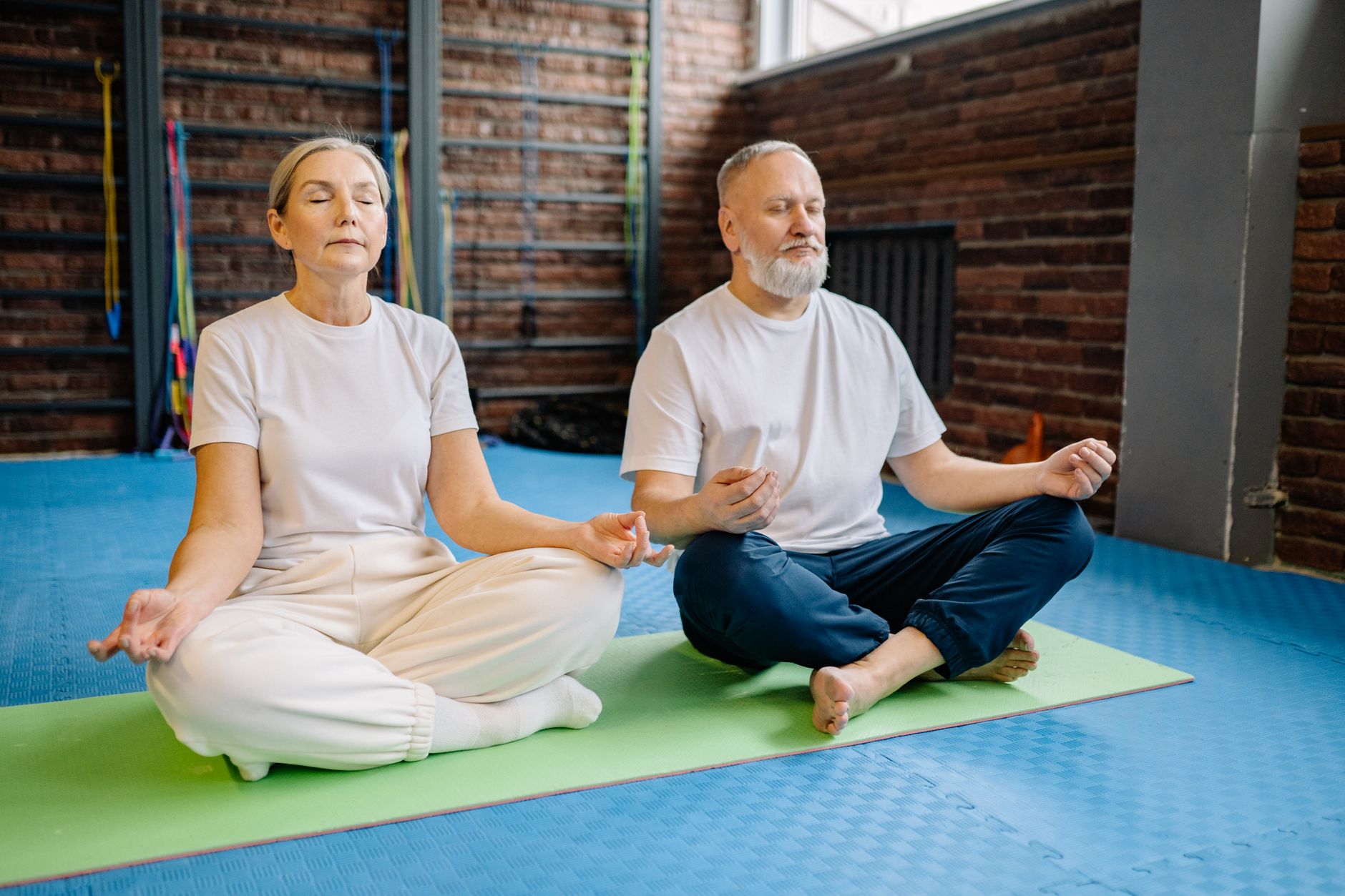
Mental Health in Later Life: Caring for the Mind as We Age
Aging brings emotional changes that are often silently normalized. Recognizing sadness, loneliness, or anxiety in later life is the first step toward caring for mental

Online Therapy: Benefits and When It Can Be a Good Option
Online therapy has expanded access to emotional care. Knowing its advantages and limits helps you decide whether it fits your situation, pace, and current needs with

Cultural Identity and Belonging: Living Between Two Worlds
Living in a country different from your origin can raise deep questions about identity, belonging, and home. Recognizing that emotional complexity is key to integrating without

Closing Cycles and Goodbyes: Learning to Let Go with Meaning
Ending a stage—a job, a relationship, a city—can awaken sadness, relief, and fear at once. Ritualizing closure helps integrate the experience and open space for what comes

Sleep and Mental Health: Resting to Regulate Emotions
Poor sleep is not just physical tiredness: it directly affects our ability to manage emotions, make decisions, and cope with everyday stress and daily

The Power of Resilience in the Face of Adversity
Life is full of inevitable ups and downs. However, what defines our well-being is not the absence of problems, but our ability to recover

When to Seek Therapy: Signs It May Be the Right Time
Asking for psychological help does not require being in extreme crisis. Many people come to therapy to understand themselves better, improve relationships, or navigate life changes with

Physical Exercise and Mental Health: Finding Balance
Moving the body can improve mood and reduce anxiety, but pressure to perform or compulsive exercise can also harm. Finding a healthy rhythm is key to sustainable mental

Imposter Syndrome: When Success Does Not Feel Like Yours
Despite your achievements, a little voice insists that soon everyone will discover you are "not that capable." Imposter syndrome is more common than you think and can be

Mindfulness in Daily Life: Presence in the Small Things
You do not need an hour of meditation to practice mindfulness. Small moments of full attention during the day can reduce stress and bring you back to the present

Parental Burnout: When Parenting Stops Feeling Sustainable
Parental burnout goes beyond occasional tiredness. Feeling detached, constantly irritable, or persistently guilty may signal burnout that needs attention and real

Emotional Dependency: Reclaiming Your Center in Relationships
Needing someone is not the same as being emotionally dependent on them. When your wellbeing becomes tied to another person's approval or presence, you lose contact with

Empathy Without Burnout: Caring for Others Without Losing Yourself
Being empathetic is a strength, but absorbing others' pain without limits can lead to emotional exhaustion. Learning to accompany with compassion and boundaries protects your

Healthy Self-Love: Telling It Apart from Narcissism
Caring for yourself is neither selfishness nor narcissism. Distinguishing balanced self-love from rigid self-idealization helps build more honest relationships and steadier

How to Manage Work Stress and Avoid Burnout
The work environment can be a source of satisfaction, but also a source of great pressure. When the demands of the job exceed our

Motivation and Personal Goals: Beyond Willpower Alone
Motivation is not a switch you turn on at will. Understanding what sustains and what blocks it helps you move toward personal goals with less self-pressure and more lasting

Perfectionism: When Demanding Too Much Pulls You Away from Yourself
Perfectionism disguises itself as high performance, but often hides fear of judgment and of not being enough. Recognizing this pattern is key to recovering wellbeing and
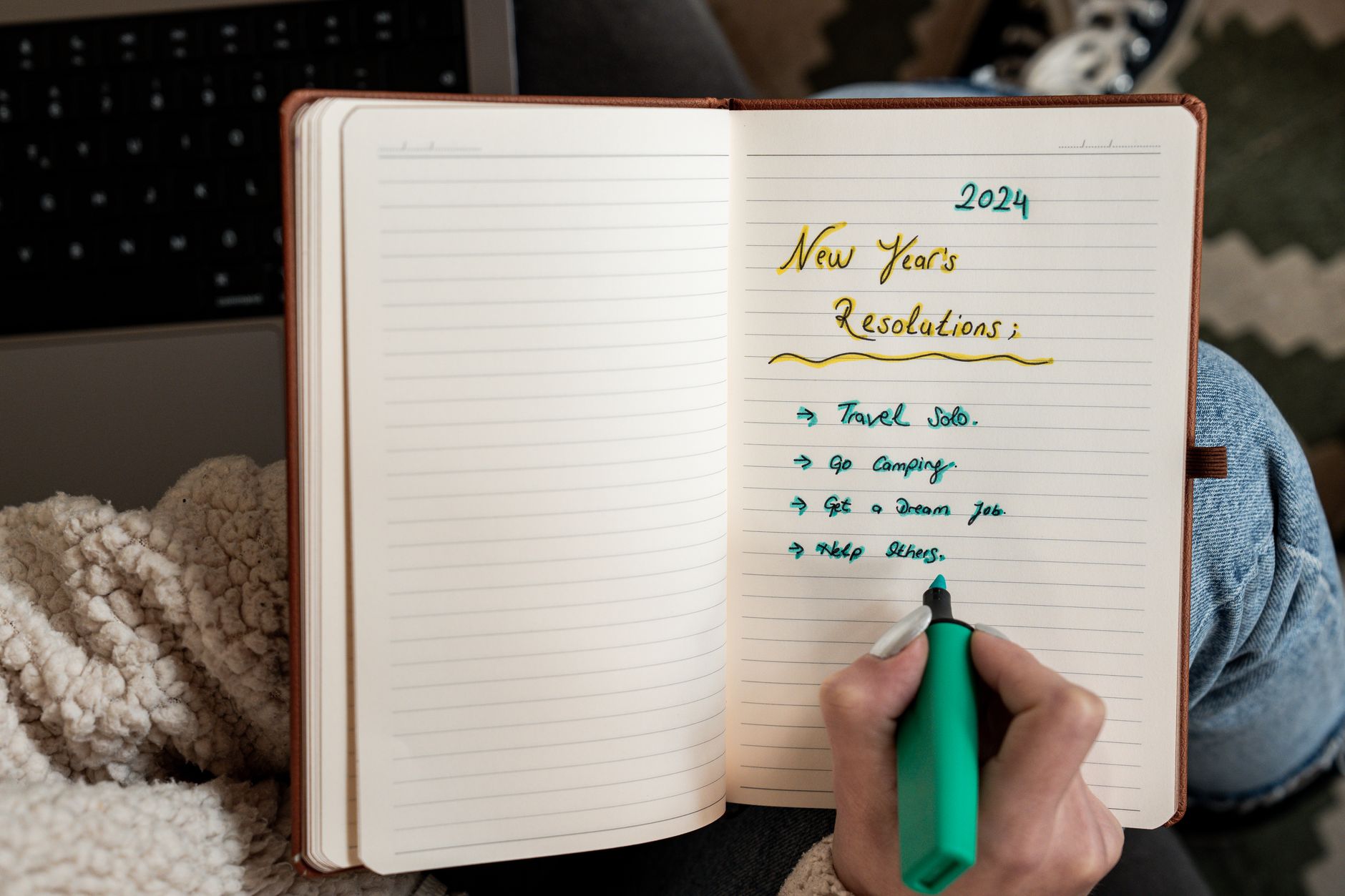
Realistic New Year Resolutions: Less Pressure, More Wellbeing
January arrives loaded with resolution lists that often last only a few weeks. Setting goals from mental health rather than self-pressure supports changes that actually

Toxic Relationships: Recognizing Patterns That Harm Your Wellbeing
It is not always easy to identify a toxic relationship, especially when it coexists with moments of affection. Learning to read the signs protects your emotional health and

Financial Stress and Anxiety: When Money Takes Over the Mind
Financial worries can activate persistent anxiety and affect sleep, relationships, and mood. Recognizing that emotional impact is the first step toward regaining a sense of

Loneliness at Christmas and Holidays: When Collective Joy Hurts
Holidays can intensify loneliness when the world celebrates in company. Recognizing that pain without invalidating it is essential to get through December with more
Holiday Stress: Celebrating Without Exhausting Yourself
The holidays promise joy and togetherness, but also emotional overload, high expectations, and pressure to "do everything right." Holiday stress is real and deserves

Work-Life Balance: Living Without Being Always "Plugged In"
Balance between personal and professional life is not a luxury reserved for a few: it is a necessity to sustain mental health, relationships, and vital energy over

Alcohol and Mental Health: When Drinking Stops Being Casual Pleasure
Alcohol is part of many social routines, but its link to anxiety and sadness often goes unnoticed. Reviewing that relationship honestly can protect emotional wellbeing and

Comparison and Envy: When Other People's Lives Hurt
Comparing ourselves to others is human, but when it becomes constant it can erode self-esteem. Understanding envy without guilt opens the door to more authentic wellbeing

Family Conflicts: Navigating Tensions with Greater Clarity
In families, love and tension often coexist. Conflicts do not always mean something is broken; they often signal unspoken needs and roles that need to be
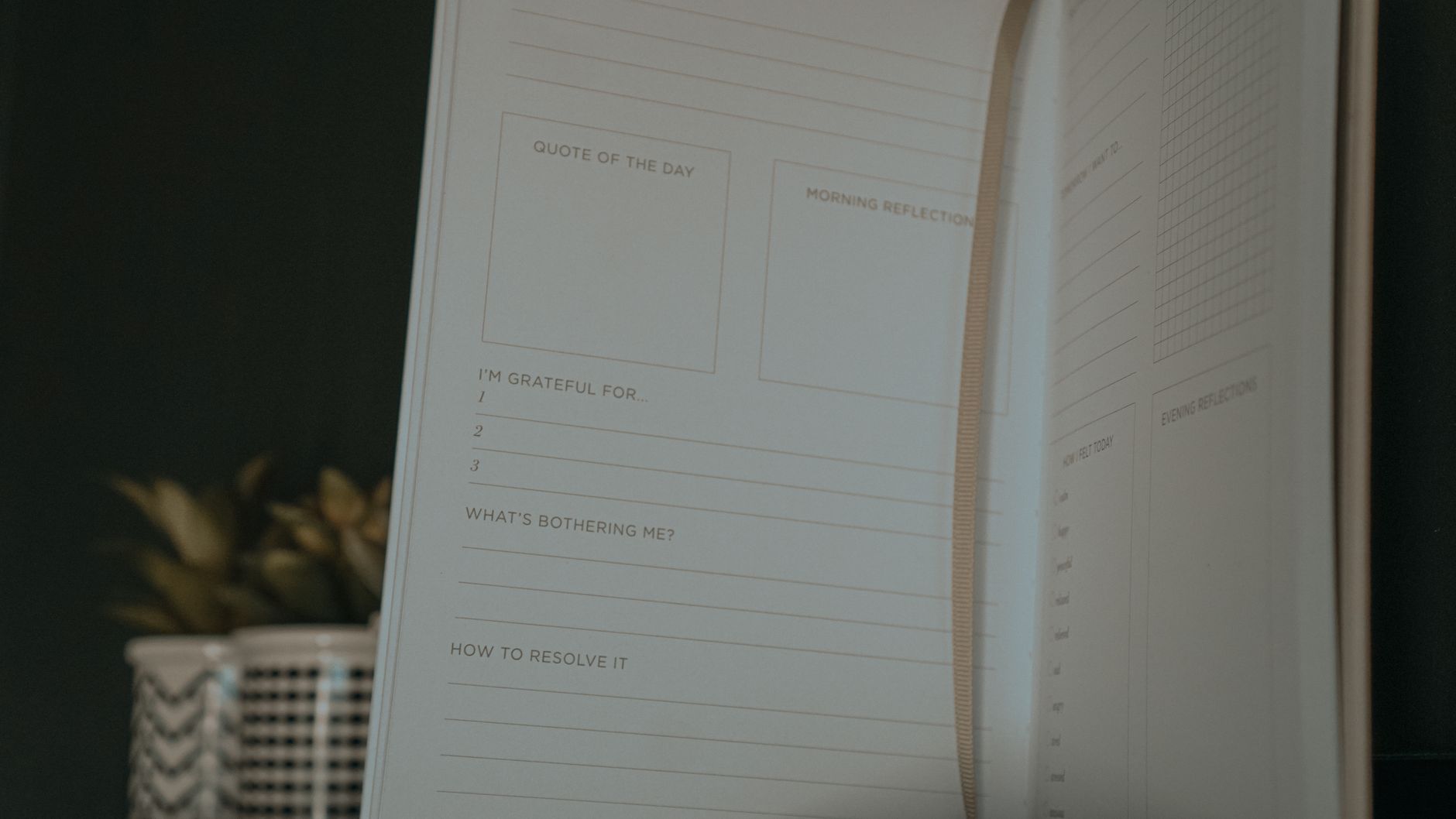
Practicing Gratitude: A Habit That Transforms Your Inner View
Gratitude is not denying difficulties or forcing positivity. It is training attention to also recognize what supports, accompanies, and nourishes our everyday life

Processing Grief: Honoring Loss at Your Own Pace
Grief does not follow a calendar or a manual. Losing someone or something important destabilizes our inner world and requires time, space, and compassion to heal

Self-Esteem After a Breakup: Rebuilding After Heartbreak
A breakup can shake the image we had of ourselves. Recovering self-esteem after a separation is a gradual process that requires patience, honesty, and gentle

Fear of Social Judgment: Living Under Others' Eyes
Fearing what others think can limit decisions, relationships, and opportunities. Understanding social judgment anxiety is the first step toward reclaiming emotional

Trauma and Emotional Recovery: First Steps Toward Healing
Trauma is not always a single dramatic event. Sustained experiences of invalidation, fear, or violence can leave a mark. Understanding the recovery process brings clarity and

Back-to-Routine Anxiety: Resuming the Pace with Calm
September brings schedules, obligations, and a sense of acceleration that can overwhelm us. Anxiety about returning to routine is a normal response we can learn to manage

Building Healthy Habits: Small Steps, Lasting Change
Habits are not born from willpower alone. Understanding how the brain creates routines helps sustain changes in sleep, movement, or self-care with less frustration and

Parent Anxiety at Back-to-School: When Nerves Are Not Just for Kids
Back-to-school also activates adult anxiety. Schedules, separation, performance, or bullying can awaken fears worth recognizing and managing with calm and

Procrastination: Understanding Delay to Recover Momentum
Procrastinating is not always laziness. Often it is an unconscious strategy to avoid fear of failure, perfectionism, or accumulated emotional exhaustion and

Motherhood and Emotions: Beyond the Perfect Mother Myth
Motherhood can be deeply nourishing and, at the same time, overwhelming. Feeling exhaustion, doubt, or sadness does not make you a bad mother: it makes you human in a demanding

Family Pressure and Expectations: When Being an Only Child Weighs Heavy
Being an only child can bring privileges and intense expectations at once. Understanding how that dynamic affects self-esteem helps build healthier family relationships and

Social Media and Wellbeing: Using Screens with Awareness
Social media can connect us and also exhaust us. When scrolling becomes constant comparison, our self-esteem and mood pay the price of endless digital

Teens and Mental Health: Signs Families Can Watch For
Adolescence is a stage of intense change. Distinguishing typical growing pains from signs that need attention can make a difference in a young person's emotional

Family Vacation Expectations: When Rest Becomes Stressful
Family vacations can bring excitement and tension at once. Overplanning, comparing with social media, or avoiding conflict can turn rest into another source of

Life Transitions: Accompanying Change with Presence
Moves, new jobs, motherhood, separations, or children leaving home: life transitions unsettle us even when we choose them with excitement and hopeful

Summer Fatigue and Mood: Beyond the Sunshine
Summer does not always bring energy. Heat, routine changes, and pressure to "enjoy" can affect mood in ways few people openly acknowledge or know how to

Summer Loneliness: When the Season Does Not Fill the Void
Summer in Málaga can look like a showcase of perfect social life, yet many people experience intense loneliness when rhythms change and daily routines

The Importance of Self-Care in Mental Health
In the fast pace of modern life, we often forget that our mind needs as much rest and attention as our body. Self-care is

Exploring Body Image: Acceptance and Self-Esteem
The media, such as television, social networks, magazines and advertising, have a significant impact on how we perceive our own body image.

Combating Anxiety: Strategies for Recovering Peace of Mind
Do you suffer from anxiety? Find out in our article how you can overcome it and regain peace of mind.

Understanding Eating Disorders: A Journey to Recovery
Eating disorders (ED) are mental health conditions that affect millions of people worldwide. These disorders can have a devastating impact on the lives of suffe